Summer Camp Guides
Summer Camp Jobs: Staff Roles, Hiring, and Compensation

Who This Guide Is For
This guide is written primarily for anyone exploring or actively pursuing summer camp work, whether you’re new to camp work or looking for a seasonal career change. Directors and program managers will find the staffing and compensation sections useful, but the editorial weight throughout favors the job seeker.
If you are looking for information on running a camp business, accreditation, or camp operations, those topics are covered elsewhere on Camp Channel. This guide stays focused on employment: the roles, the pay, how hiring works, and where to find open positions.
Camp Job Resources on Camp Channel
Working at camp: what to expect and how to get hired

Types of Summer Camp Jobs: How to Choose the Role That Fits You
Compare counselor, activity, aquatics, outdoor, health, operations, and leadership jobs by camper responsibility, qualifications, experience, and work setting.
Learn More
What Working at a Summer Camp Is Actually Like
Daily routines, responsibility for campers, living arrangements, and time off at residential and day camps.
Learn More
Working at a Summer Camp: Jobs, Benefits, and How to Get Started
The full job-seeking process: what roles exist, what camps look for, and how to get from application to offer.
Learn More
Late Season Options and Strategies for Finding Summer Camp Jobs
How to find and land a camp job after the main hiring window closes, including where openings still appear in spring.
Learn MoreDirector roles and compensation:
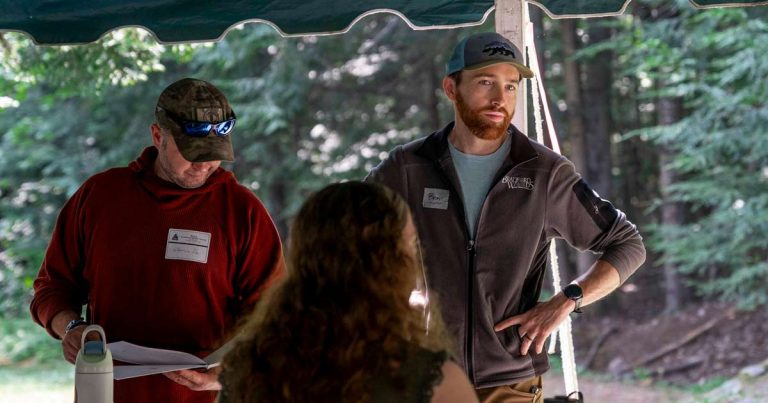
Camp Director Jobs: Types of Director Positions and What They Involve
The differences between program, associate, and executive director roles, and what each position actually requires.
Learn More
Summer Camp Job Compensation: What to Expect in Pay and Benefits
How camp pay is structured across roles, what room and board means for your total package, and how to benchmark offers.
Learn MoreTypes of Camp Jobs and What They Pay
Camp jobs cover more than most people think. Knowing the options helps you aim for the right roles and set realistic expectations.
General cabin counselors are the most common entry point. These roles include overseeing campers, helping with activities, and managing the cabin. No specialized credentials are required beyond minimum age, typically 18, and prior camp experience is helpful but rarely mandatory for a first placement.
Activity and specialty counselors are a separate category from general counselors. A waterfront counselor, an arts instructor, a ropes course facilitator, and a sports specialist are not interchangeable roles. Experience, certifications, and pay vary between these positions. If you have a specific skill or background, targeting the matching specialty role is a stronger approach than applying broadly.
Credentialed roles form their own tier. Lifeguards with WSI or LGT certification, registered nurses and health center staff, and certified trip leaders are positions camps compete to fill. These roles are often in short supply, and pay reflects that. If you hold one of these credentials, your candidacy is materially stronger than in the general pool.
Leadership roles including unit leader, senior counselor, and department head occupy the space between line staff and camp administration. These positions are typically filled by returning staff with proven track records rather than external candidates, but they represent a clear advancement path for people who commit to the work across multiple seasons.
Director roles break into three positions that are often conflated but carry different scopes of responsibility. A program director manages the daily activity schedule and program delivery. An associate director handles a specific division or operational area. An executive director carries full organizational responsibility: finances, staffing, licensing, and long-range planning. These roles have different compensation bands, different hiring timelines, and different qualification expectations. It’s common but avoidable to apply for a role that doesn’t fit your skills.
Pay across all of these roles reflects a combination of factors: credential requirements, scope of responsibility, camp size and type, and regional cost of living. These factors compound. A credentialed specialist at a large ACA-accredited residential camp in a high cost-of-living region will earn more than the same role at a small day camp in a rural market.
Nearly all camp jobs are seasonal with room and board included as a significant part of total compensation. While pay alone is less than a year-round job, housing and meals bring the overall package up. ACA member camps tend to pay at the higher end of market rates for equivalent roles.
How to Get Hired at a Summer Camp
Most camps begin posting positions in fall for the following summer. Applying early gives you access to the full range of open roles before the most competitive positions are filled. That said, hiring does not close in February. Camps remain active through winter and into spring, and many are still filling positions through April and May. Directors stay focused on recruiting even as operational preparation intensifies in the final weeks before the season opens. Missing the early hiring period doesn’t mean the season is over for you.
The Camp Channel job board is the most direct place to find open positions. You can browse by camp type, program focus, and geography, and a special needs filter is available for candidates specifically interested in camps serving populations with disabilities or other defined needs. Start there before broader job board searches.
Minimum age for most counselor roles is 18. Background checks and references are standard across all positions. First aid and CPR certification is increasingly common for all counselor roles, and having it before you apply removes a potential friction point.
Applications should be tailored to the specific camp. A wilderness expedition camp and a performing arts day camp are selecting for different profiles. Reading the program description before writing your cover letter is essential. Video interviews are the standard first-round format for most camps today.
For more detail on the full job-seeking process, qualifications by role, and what to expect from the hiring conversation, see Working at a Summer Camp: Jobs, Benefits, and How to Get Started.
If you are applying later in the spring and wondering whether openings still exist, they do. See Late Season Job Strategies for a practical approach to finding and landing positions after the main hiring window.
What Directors Need to Know About Staffing
Compensation at or above regional norms for equivalent roles directly affects retention. Camps that underpay relative to market lose returning staff at higher rates, which compounds training and culture costs season over season. Room and board is a meaningful part of the total compensation story and should be stated explicitly in job postings rather than assumed to be understood by applicants unfamiliar with the camp employment model.
Posting roles earlier than feels necessary is operationally important. Strong candidates are often committed elsewhere by February even though your hiring may remain active into spring. Getting postings up in September or October puts you in front of the candidate pool before the competition narrows it.
Retention levers worth building into your staffing structure include returning staff incentives, end-of-season bonuses, and genuine investment in staff housing quality. These are not perks. They are what keep experienced staff coming back season after season.
For compensation benchmarking and a detailed look at how director-level roles are structured and paid, see Camp Director Jobs: Types of Director Positions and What They Involve and Summer Camp Job Compensation: What to Expect in Pay and Benefits.
To browse open positions, visit the Camp Channel job board. You can filter by camp type, geography, and program focus, including a dedicated filter for special needs camp jobs.
Frequently Asked Questions
How old do you have to be to work at a summer camp?
Most camps require counselors to be at least 18. Some programs accept counselors-in-training at 16 or 17 in supervised, often unpaid roles, but paid staff positions almost universally start at 18.
How much do summer camp jobs pay?
Pay varies by role, region, and camp type. Nearly all positions include room and board as part of total compensation, which is a significant offset to cash wages. Specialty and credentialed roles earn more than general counselor positions. ACA member camps tend to pay at the higher end of the market for equivalent roles.
When do summer camps start hiring?
Most camps post positions in fall and hire actively through winter. Hiring continues into spring, and many camps are still filling roles through April and May. Positions sometimes become available late in the hiring season as well.
Do I need certifications to work at a summer camp?
It depends on the role. General counselor positions typically require minimum age and a background check. Lifeguard, health center, and specialty program roles require specific credentials. First aid and CPR certification is increasingly common for all counselor roles.
What is the difference between a program director and an executive director at a camp?
A program director manages the daily activity schedule and program delivery. An executive director carries full organizational responsibility including finances, staffing, and operations. These are distinct roles with different scopes, compensation bands, and hiring timelines.
Can I get a camp job if I have never worked at a camp before?
Yes. Many camps actively hire people with no prior camp experience, particularly for general counselor roles. Experience with youth, coaching, teaching, or outdoor activities makes your application stronger.
This guide is part of the Summer Camp Guides collection on Camp Channel.
Search Summer Camp Guide


