Summer Camp Guides
Types of Summer Camp Jobs: How to Choose the Role That Fits You
Most people thinking about working at a summer camp picture one job: counselor. Camps need far more than counselors, and job titles do not always tell you what the work involves. A cabin counselor, a waterfront instructor, a kitchen assistant, and a unit leader are all camp staff, but almost nothing about their days looks the same.
This guide covers the main types of summer camp jobs and gives you a way to choose among them. Not every position requires previous camp experience. A lifeguard certification, clinical license, or other credential can qualify you for jobs built around that training. For some activity positions, demonstrated experience matters even without a formal credential. Camps also hire people in food service, facilities, administration, and other areas that keep the camp running.
How to Compare Camp Jobs
Four things separate one camp job from another.
- Responsibility for campers. In some jobs you keep the same group of campers throughout the session. You eat with them, stay with them through the less structured parts of the day, and remain responsible for them even during activity periods you spend apart. Other jobs give you responsibility for a group only for a defined period before a different set of campers arrives. Elsewhere at camp, you may work alongside campers and share in looking after them, but supervising them is not what the job is for.
- Credentials and skills. Some jobs are open only to applicants with a specific certification or license. Others accept demonstrated ability in place of a formal credential. Many require neither.
- Camp experience. Some jobs are regularly filled by people working at camp for the first time. Others expect previous camp experience, particularly when the work involves supervising staff or making decisions that depend on understanding how a camp operates. A camp may also favor someone who already knows that particular program, its routines, and its campers. Expectations vary from camp to camp, so ask before ruling a job out.
- Where you work and who you work with. Even at the same camp, staff can spend their days in very different places. Some work outdoors almost entirely, moving between cabins, activity areas, and shared camp spaces. Others are based in one place: a kitchen, an office, a health center, or a maintenance shop. Trip staff leave the property altogether for hours or days at a time. Who you spend the day alongside varies just as much: a fixed group of campers, a new set every period, or mostly other staff.
Camp compensation can include wages, room and board, and other benefits. For more on how those components vary between positions, see Summer Camp Job Compensation: What to Expect in Pay and Benefits.
Cabin and Group Counselors
A cabin or group counselor has ongoing responsibility for a particular group of campers across the session. That includes their welfare, the routines of cabin or group life, and helping the group function well together.
General Cabin Counselor at Residential Camps
At residential camps, cabin counselors are responsible for the campers assigned to their cabin and for the routines of living together. They help manage meals, rest periods, and bedtime, and get to know the campers well enough to notice when someone needs help. During activity periods some camps keep counselors with their cabin group, while others assign them to teach or lead an activity attended by campers from different groups.
Group Counselor at Day Camps
At day camps, group counselors are assigned to a particular group of campers for the program day. They commonly stay with that group as campers move between activities, assisting while specialists provide instruction. The job has no overnight component. Counselors are also part of the daily drop-off and pickup process with families.
Assistant and Junior Counselors
Some camps hire assistant or junior counselors to work alongside their regular counseling staff. A camp may post both positions at once, with the assistant or junior position open at a younger age, carrying less responsibility, or paying less than a regular counselor position. The titles are not standardized. At one camp a junior counselor may be a seventeen-year-old who has come up through the camp’s own training program, while elsewhere an assistant counselor may be a college student working as part of a counseling team. Check what a camp means by the title before you apply.
Co-counselor is different. Residential camps often assign two or more counselors to the same cabin, with those counselors sharing responsibility for the group rather than one assisting the other.
Counselor-in-training positions may also be available to people below a camp’s staff minimum. These are developmental programs rather than staff jobs and sit outside what this guide covers, though at some camps completing one is what qualifies someone for a junior counselor position.
Camp Jobs Built Around a Skill or Credential
What qualifies you for these jobs is a certification, a license, or demonstrated ability in the activity itself.
Activity and Program Specialists
Arts, music, drama, athletics, nature, and STEM specialists teach or lead a particular program area. Campers may rotate through that area in groups, giving the specialist responsibility for different campers over the course of the day. At some residential camps, counselors also serve as activity instructors, while other programs hire staff primarily for the specialty.
Demonstrated ability often matters more than a formal credential in these jobs. A camp hiring a ceramics instructor, for example, needs someone who can run a studio safely and teach campers with different levels of experience, but there is no single certification that establishes those abilities. What counts as sufficient experience depends on the activity and the camp.
Waterfront and Aquatics
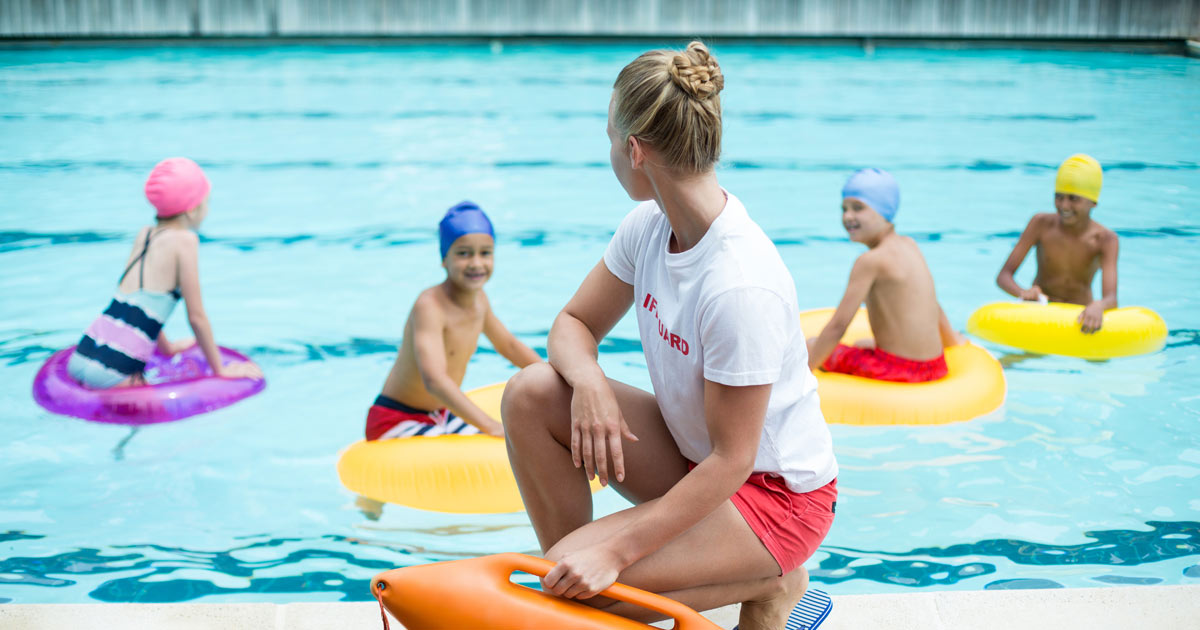
Waterfront positions cover guarding a swimming area, teaching swimming lessons, and running boating and other watercraft activities. The certification a camp asks for follows which of those you will be doing. Some camps hire applicants who already hold the certification; others train and certify staff before the season begins.
Some accreditation standards require aquatic and first aid certifications to include substantial in-person instruction, hands-on practice, and skills assessment, so an online-only credential may not be accepted. Camps may also require staff to demonstrate rescue and emergency skills in their own aquatic areas, regardless of the certification they already hold.
Trips and Outdoor Leadership
Trip leaders take campers away from the main camp property, where support from other staff is not close at hand. They make decisions about routes, weather, and the condition of the group while leading activities such as hiking, paddling, climbing, or overnight camping.
The skills and certifications a camp looks for depend on the trips it runs. Wilderness first aid, lifeguarding, paddling, climbing, or other qualifications may matter for some programs, while experience with the particular activity may carry more weight in others.
Health Center
Health center staff serve campers from across the program as medical needs arise, with responsibilities that can include routine medications, illness and injury assessment, ongoing health needs, and decisions about when additional medical care is necessary. Nursing and other clinical positions require the appropriate professional license; demonstrated skill cannot substitute for it.
Camp Operations and Support
Which functions have dedicated staff depends on the camp’s size, setting, and whether it serves meals, houses people overnight, or runs transportation.
- Kitchen and food service. Positions can include food preparation, cooking, serving, dishwashing, and kitchen management. Supervisory roles may also involve ordering supplies, planning meals, and managing other staff. Work hours generally follow meal preparation and service rather than the activity schedule.
- Facilities and maintenance. Staff maintain buildings, grounds, equipment, and sometimes vehicles. The work is physical and can take staff across the whole property rather than keeping them stationed in one place. Carpentry, plumbing, electrical, mechanical, and other trade skills may be useful depending on what a camp handles with its own staff.
- Office, registration, and camper services. Administrative staff handle enrollment records, family communication, forms, mail, and questions from campers, families, and staff.
- Transportation and driving. Drivers move campers and staff by bus, van, or shuttle for arrivals, departures, day trips, and errands. License and qualification requirements depend on the vehicle and the work involved. At day camps that bus campers to and from the program, driving can be a major part of each program day.
At residential programs, staff in these jobs eat in the same dining hall as everyone else, often live on the property, and become familiar to campers who see them day after day. Direct camper supervision is usually not their primary responsibility. The balance varies by position: a driver supervises campers in transit, food service staff may interact with them during meals, and office staff deal with campers and families as needs arise.
Supervision and Leadership
Leadership at camp ranges from supervising counselors or a particular program area to taking responsibility for the camp as a whole.
- Head counselor and unit leader. These positions oversee counselors assigned to a set of cabins, groups, or another part of the camp. Responsibilities can include scheduling, solving problems, coaching newer staff, and being who a counselor turns to when something goes wrong.
- Department and area heads. Positions such as waterfront director, program area lead, and kitchen manager combine knowledge of a particular area with responsibility for its staff and day-to-day operation.
Ask whether the camp fills supervisory positions from within, from outside, or both. The answer tells you whether a position is open to you now or is something to work toward.
Director-level positions extend beyond responsibility for a single cabin group, program area, or department. Depending on the camp, directors may oversee the program as a whole, supervise multiple areas and their staff, work with families, handle staffing and operational decisions, or share those responsibilities with other members of a leadership team.
Titles at this level do not mean the same thing at every camp. An executive director, camp director, program director, and assistant director may have very different responsibilities from one organization to another. Camp Director Jobs: Types of Director Positions and What They Involve looks at those distinctions in more detail.
How Camp Jobs Vary From One Camp to Another
- Residential versus day. A residential camp runs around the clock, so its jobs can extend into evenings, nights, and weekends in ways a day camp’s do not. Meals run all week, some staff live on the property, and someone is on duty after campers go to bed. At a day camp the work is bounded by the program day and starts again the next morning.
- Camp size. At a smaller camp, the same person may handle several kinds of work, such as maintaining the property and driving camp vehicles or teaching more than one activity. Larger camps are more likely to divide that work among specialized staff.
- Program type. A wilderness expedition camp, competitive sports camp, and performing arts day camp may use the same position title for work with different daily routines, skills, and responsibilities. What the program emphasizes shapes what staff are asked to do.
- Special needs programs. Camps serving campers with disabilities may build additional support responsibilities into familiar positions or use staffing arrangements designed around particular camper needs. Depending on the program, those can include higher staff-to-camper ratios, one-to-one support, accessible activities, or clinical staff working alongside the rest of the camp team. Roles at Special Needs Camps: A Guide to Position Types and What Each Involves on VerySpecialCamps.com covers these staffing patterns in more detail.
- Session length. At camps with shorter sessions, staff may welcome a new group every week or two, learn new names and needs, establish routines, and then start over with the next group. Longer sessions give staff more time with the same campers.
Matching Camp Jobs to Your Qualifications and Preferences
- If you already hold a relevant credential. Look for positions that require or value the qualification you have. A clinical license, a lifeguarding certification, or another recognized credential can open positions that are closed without that qualification.
- If you have a demonstrable skill but no formal credential. Activity and program positions let you use experience in areas such as athletics, arts, nature, or other camp programs. Experience performing or competing can demonstrate your ability in an activity, while coaching, teaching, or leading it shows experience helping others learn. What a camp expects depends on the activity and the position.
- If you have prior camp experience. A season already worked gives you familiarity with the daily schedule, how counselors and campers live alongside each other, and how problems are handled when they come up. That familiarity can matter when a camp is filling positions that oversee counselors, lead a program area, or help newer staff find their footing. Look at head counselor, unit leader, and department head openings as well as the position you held before.
- If you do not want camper supervision to be your primary responsibility. Kitchen, facilities, office, transportation, and other operational jobs offer work in the camp environment without making direct camper supervision the main purpose of the job.
Finding Openings by Camp Job Type
The Camp Channel Job Board lists openings at camps across the country. Camps describe their positions in their own terms rather than choosing from a standardized set of job titles, so finding the position that fits you may require looking under more than one name. A “unit leader” at one camp may have much the same responsibilities as a “head counselor” at another, while an “activity specialist” might be hired primarily to teach an activity or might also serve as a cabin counselor.
Some common terms to watch for include:
- Cabin and group counseling: counselor, cabin counselor, group counselor, bunk counselor, general counselor, and group leader.
- Activity and program positions: specialist, instructor, and coach.
- Waterfront and aquatics: lifeguard, swim instructor, swimming instructor, waterfront staff, and aquatics.
- Trips and outdoor leadership: trip leader, outdoor trip leader, and outdoor education.
- Health center positions: camp nurse, nurse assistant, EMT, doctor, and physician.
- Operations: cook, food preparation, dishwasher, maintenance, office, administrative, driver, and bus driver.
- Supervisory and leadership positions: head counselor, unit leader, unit head, program director, assistant director, and executive director.
For activity and trip positions, camps often use the activity itself as the job title: archery, sailing, ceramics, horseback riding, or environmental education. Read the full description before deciding whether an opening is right for you.
The Camp Channel Job Board lets you narrow listings by camp gender, camp type, program emphasis, and location. A dedicated special needs filter shows camps serving campers with disabilities and other special needs. Because a single camp posting may include several jobs, open the individual listing to see everything that camp is hiring for.
Camps post positions across a long hiring window rather than all at once, and the kinds of jobs still available change as the season approaches. If you are searching later in the spring, Late Season Options and Strategies For Finding Summer Camp Jobs covers what that stage of the hiring season looks like.
This post is part of the Summer Camp Jobs and Staff guide on Camp Channel.
Frequently Asked Questions
Can you work at a summer camp with no experience?
Yes. Some camp positions are open to people who have never worked at a camp before. What a camp expects varies by position, so check what a specific opening requires.
What is the difference between a camp counselor and an activity specialist?
A camp counselor has ongoing responsibility for a particular group of campers, including parts of the day outside scheduled activities. An activity specialist is primarily responsible for teaching or leading a particular program area and may work with different groups of campers throughout the day. Some camps combine the two, with counselors also teaching or leading activities.
Do camps ever hire one person for two roles?
Yes. One person may cover a group assignment along with a second responsibility such as lifeguarding, driving, or leading an activity. How those responsibilities are combined varies from camp to camp, and the title may describe only part of the position.
Are specialty camp jobs harder to get than general counselor jobs?
Not necessarily. Specialty positions may require a particular skill, experience, or certification, which limits who qualifies for them. Camps also need different numbers of specialists and general counselors depending on their programs.
What is the difference between a head counselor and a camp director?
A head counselor or unit leader typically supervises counselors and helps oversee a particular unit or part of the camp. Director-level positions have broader responsibilities that may extend across multiple program areas, staff groups, or the camp as a whole. Titles and responsibilities vary between camps. Camp Director Jobs: Types of Director Positions and What They Involve looks at director-level positions in more detail.
Can you return to the same camp in a different role?
Yes, depending on the camp and the position. You may be able to move into a different program area or take on additional responsibility, but some positions require experience, skills, or credentials you may not have yet. If you are interested in returning in a different position, ask about the possibility before the season ends or when you get in touch about coming back.


