Summer Camp Guides
Types of Summer Camps: How to Choose the Right Program
How Camp Types Work
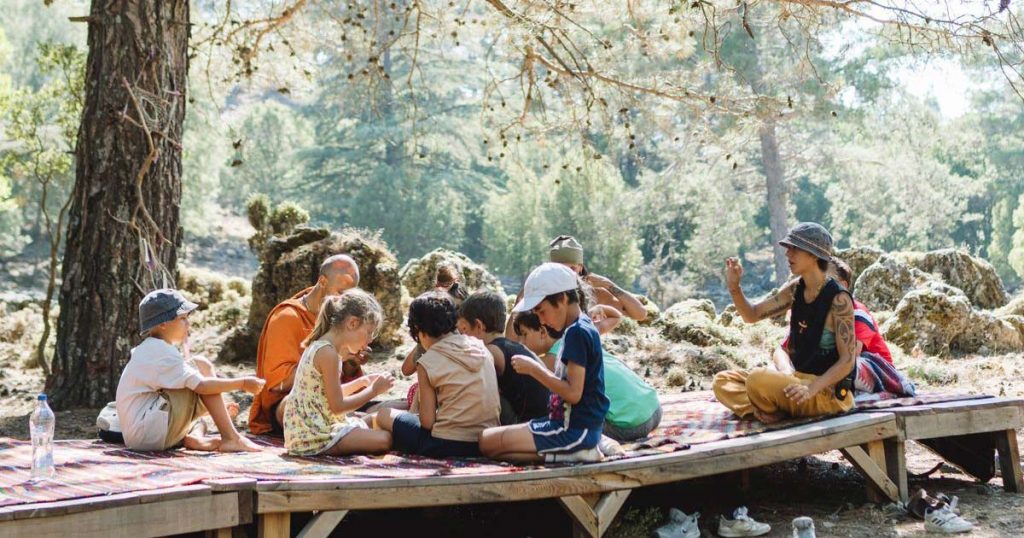
The most fundamental distinction in camp programming is residential versus day. Residential camps house campers overnight for the duration of the session. Day camps run on a daily schedule with campers returning home each evening. Other parts of a camp, like how it’s run and how much it costs, follow from this distinction.
Program emphasis is the second dimension: camps range from general programs offering a broad mix of activities to highly specialized programs built around a single sport, art form, or area of expertise. These two dimensions combine into four basic configurations: residential general, residential specialty, day general, and day specialty. Understanding the configuration you want makes the directory easier to use. A residential specialty football camp and a day general camp are both summer camps, but they serve entirely different needs.
This guide focuses on program emphasis and specialty types. The residential versus day distinction is foundational enough to deserve its own dedicated treatment, which is planned as a future post. The Camp Channel directory is organized by program type, making it a natural companion to this guide: once you know what type of camp you are looking for, the directory is where you find it.
Articles in this Guide
Sport and athletic camps:
Sport Camps: Finding the Right Athletic Program for Your Child
A broad overview of sport camp options in the directory and how to match program type to your child’s athletic goals.
Learn More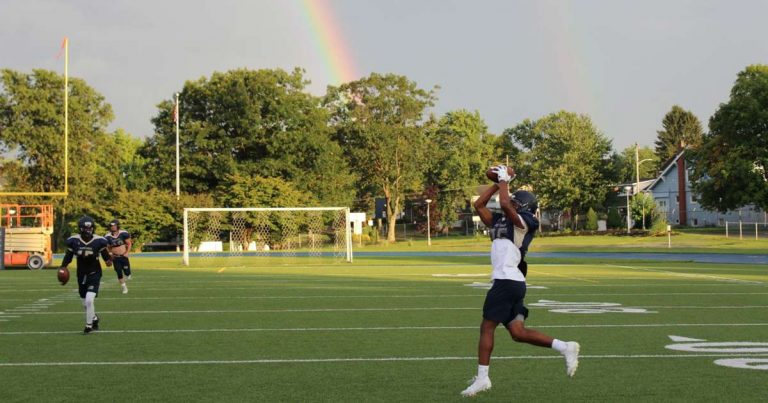
Selecting a Football Camp: What to Look for Before You Enroll
Specific guidance on evaluating football camp programs, coaching credentials, and intensity level before committing.
Learn More
Robotics Camps for Kids and Teens: How to Choose the Right Program
How to tell dedicated robotics camps from broader STEM camps that offer robotics, and choose the right fit by age, level, and format.
Learn MoreSpecialty and skills camps:
How to Choose a Music Camp: What to Look for Before You Enroll
Selection criteria for music camp programs including instruction quality, format type, and matching program to skill level.
Learn More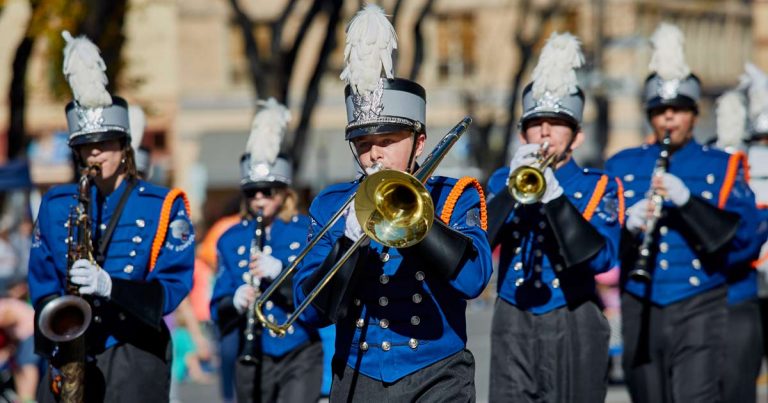
Music Camps: How to Find the Right Program by Genre, Instrument, or Ensemble
How to navigate the Camp Channel music camp directory by genre, instrument, and ensemble format.
Learn More
Bringing the Magic Online: a SHXCamp 2020 Retrospective
How a performing arts camp adapted its full program to virtual delivery, with lessons for how specialty camps can evolve their format.
Learn MoreFamily and parent-child programs:
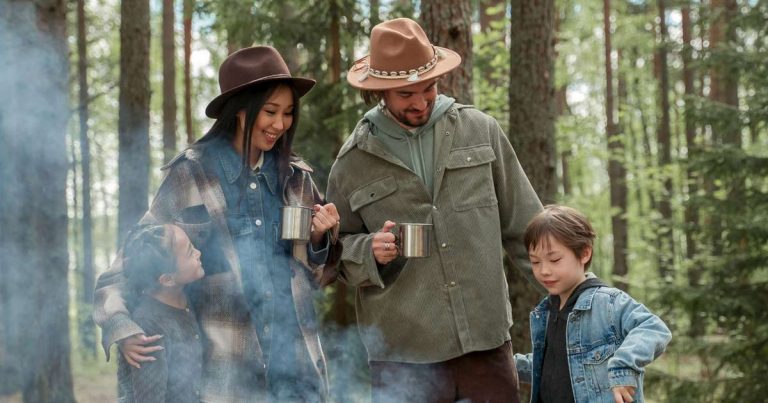
Family Camps: What They Are and How to Find the Right Program
What family camp programs offer, how they differ from children’s camps, and how to evaluate them for your family’s needs.
Learn More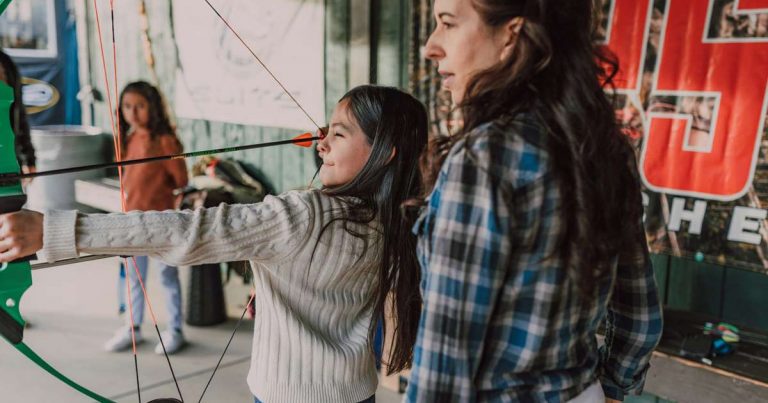
Father-Son and Mother-Daughter Camps: What Parent-Child Programs Offer
How structured parent-child programs work and what the shared curriculum experience offers that general family camps do not.
Learn MoreOutdoor, nature, and facility programs:
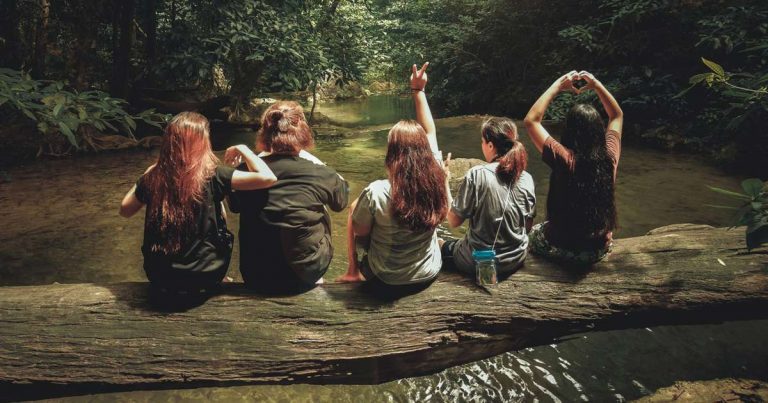
Summer Camps and the Outdoors: Restorative Powers of Nature
The developmental and experiential case for outdoor programming and why the natural environment is central to these camps.
Learn More
National Parks and Summer Camps: Essential Sanctuaries in the Modern World
How camps in national park settings differ from standard outdoor programs in their activity mix, conservation focus, and operational context.
Learn More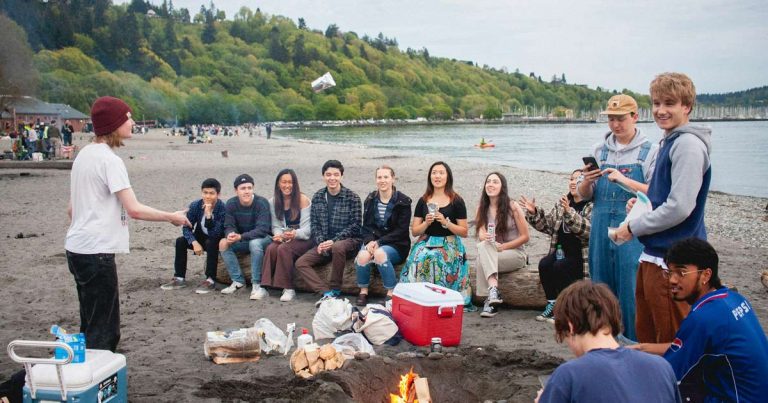
Camp Facility Rentals: An Alternative Venue for Groups and a Revenue Option for Directors
How camp facilities can be used by outside groups during off-season periods and what directors need to know about running a rental program.
Learn MoreSport and Athletic Camps
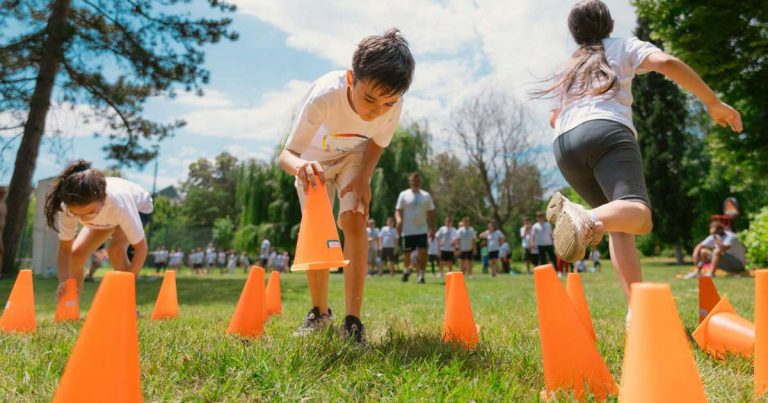
General sport camps offer multi-sport programming focused on athletic development, teamwork, and physical fitness. The goal is broad development rather than mastery of a single discipline, and they tend to work well for younger campers or those who have not yet committed to a particular sport.
Single-sport specialty camps concentrate entirely on one sport, with structured skill development, position-specific coaching, and often a competitive component. Football, hockey, and similar programs fall into this category and are appropriate for campers with a clear sport focus and a baseline level of skill.
The key evaluation criteria for any sport camp are coaching credentials, player-to-coach ratio, and whether the program’s emphasis is development or competition. A camper who wants to improve fundamentals needs a different program than one preparing for a competitive season. Age and current skill level matter significantly: a highly competitive single-sport camp can be discouraging for a beginner, while a general multi-sport program may feel insufficiently challenging for an advanced athlete.
See Sport Camps: Finding the Right Athletic Program for Your Child for a full overview of athletic programs in the directory. See Selecting a Football Camp: What to Look for Before You Enroll for specific guidance on football program selection. See Hockey Camps and Robotics Camps: What They Are and How to Find the Right Program for coverage of two distinct specialty program types.
Specialty and Skills Camps
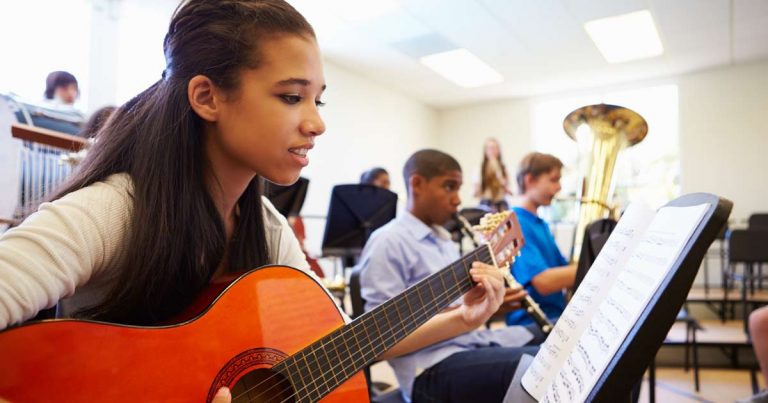
Music camps range from instrument-specific programs focused on technical proficiency to ensemble camps emphasizing collaborative performance to genre-based programs built around a particular style or tradition. Matching the program format to a child’s level and goals matters as much as the instrument or genre itself.
Robotics camps occupy the technical skills space adjacent to STEM education, combining engineering principles with hands-on project work. A dedicated post on STEM and technology camps is planned; robotics is covered here as a representative example of the technical specialty format.
The SHXCamp 2020 retrospective shows how specialty camps can adapt: a performing arts program shifted its curriculum online when in-person sessions weren’t possible.
What distinguishes a strong specialty camp is the quality and credentials of instructors, the ratio of instruction time to unstructured time, and whether the program culminates in a performance, exhibition, or project outcome that gives campers something concrete to work toward.
See How to Choose a Music Camp: What to Look for Before You Enroll for selection criteria specific to music programs. See Music Camps: How to Find the Right Program by Genre, Instrument, or Ensemble for directory navigation by music program type. See Hockey Camps and Robotics Camps for coverage of the robotics specialty format alongside hockey.
Family and Parent-Child Programs
Family camps are programs designed for the whole family to attend together rather than sending children independently. They typically offer age-differentiated activities during the day with shared meals and evening programming, and they serve families looking for a structured shared experience rather than a traditional child-only enrollment.
Parent-child programs such as father-son and mother-daughter camps pair one parent with one child in a shared curriculum. This focused parent-child setup creates a dynamic you won’t find in regular family or children-only camps.
Evaluating a family program requires different criteria than evaluating a children’s camp: activity range across age groups, accommodation quality, the ratio of structured to unstructured time, and whether the program has a clear philosophy about what the shared experience is meant to accomplish.
See Family Camps: What They Are and How to Find the Right Program for a full overview of family camp formats. See Father-Son and Mother-Daughter Camps: What Parent-Child Programs Offer for coverage of structured parent-child program formats.
Outdoor, Nature, and Wilderness Camps
Outdoor and nature camps range from general programs that simply operate outdoors to wilderness expedition camps built around backcountry travel and survival skills to programs situated within or adjacent to national park landscapes. The spectrum is wide and the distinctions matter for families trying to calibrate how immersive an outdoor experience they are looking for.
The research on nature exposure and child development consistently supports outdoor programming. Time in natural environments is associated with reduced stress, improved attention, and stronger physical development. Outdoor camps are not simply camps that happen to be outside; the environment is the program.
Camps in national parks follow certain guidelines and offer experiences different from typical outdoor programs. Proximity to protected landscapes shapes the activity menu, the conservation education component, and the operational logistics.
Camp facility rentals are another option families and directors should know about. Groups, organizations, and event planners can use camp infrastructure outside of traditional programming seasons. Directors can generate off-season revenue by making their facilities available for retreats, reunions, and events.
See Summer Camps and the Outdoors: Restorative Powers of Nature for the developmental and experiential case for outdoor programming. See National Parks and Summer Camps: Essential Sanctuaries in the Modern World for coverage of camps in national park settings. See Camp Facility Rentals: An Alternative Venue for Groups and a Revenue Option for Directors for the facility rental format. For the dedicated facility rental directory, visit CampRentalChannel.com.
Browse Camp Types in the Directory
The Camp Channel directory is organized by program type, making it the direct next step after identifying what kind of camp you are looking for. Program emphasis categories include sport camps, music camps, arts camps, academic and STEM programs, outdoor and wilderness programs, family camps, and special needs programs among others.
Families looking for facility rentals for groups, retreats, or events can browse the dedicated rental directory at CampRentalChannel.com.
Frequently Asked Questions
What are the different types of summer camps?
Summer camps generally fall into two structural categories, residential and day, and within those, two program emphases, general and specialty. Specialty camps focus on a specific activity such as a sport, music, robotics, or outdoor skills. General camps offer a broad mix of activities without a single program focus.
What is the difference between a specialty camp and a general camp?
A general camp offers a wide range of activities and is designed to give campers broad exposure to different programs. A specialty camp builds its entire curriculum around one discipline, whether a sport, an art form, or a technical skill, and is best suited for campers who have a clear interest they want to develop intensively.
What should I look for when choosing a sport camp for my child?
The most important factors are coaching credentials, the player-to-coach ratio, and whether the program’s emphasis is skill development or competition. Match the program’s intensity level to your child’s current skill and experience.
Are there summer camps designed for the whole family?
Yes. Family camps are designed for the whole family to attend together, with age-differentiated activities and shared programming. Parent-child programs like father-son and mother-daughter camps pair one parent and one child in a structured program.
What is a camp facility rental and how does it work?
Camp facility rentals allow groups, organizations, and event planners to use camp infrastructure outside of traditional programming seasons. Directors make their facilities available for retreats, reunions, and events, generating off-season revenue. CampRentalChannel.com is the dedicated directory for facility rentals.
This guide is part of the Summer Camp Guides collection on Camp Channel.
Search Summer Camp Guide


