Summer Camp Guides
How to Get a Summer Camp Job: Requirements, Timing, and Applications
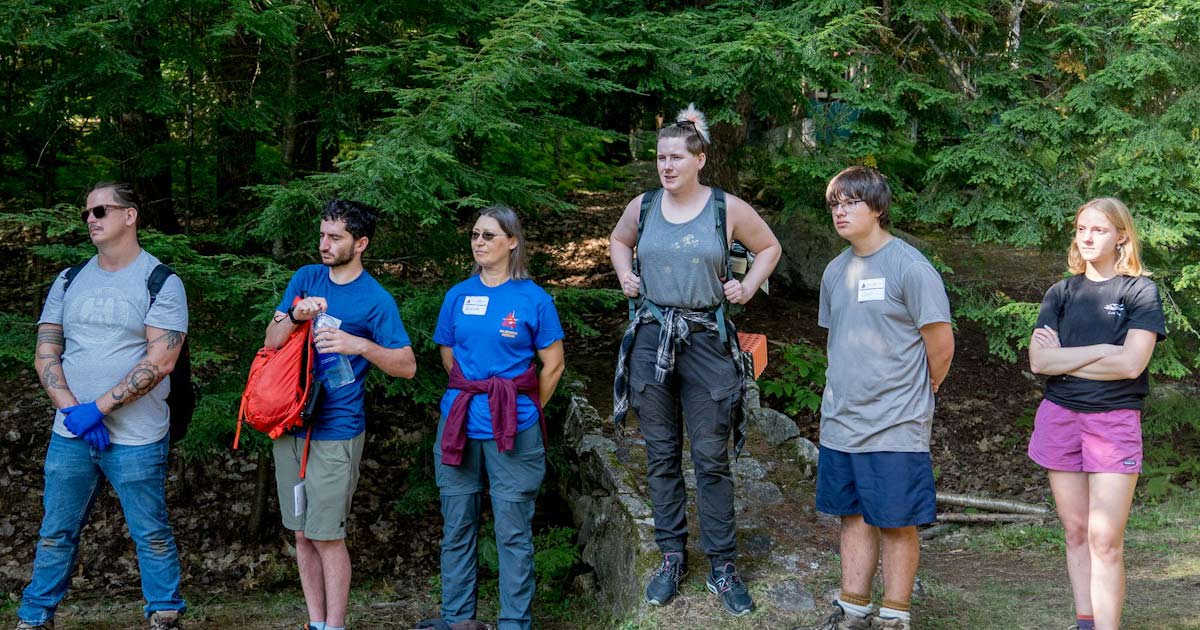
Landing a summer camp job can be different from finding other seasonal work. Camps may start hiring months ahead of the summer. Your availability and, in some cases, where you will be living or how you will get to camp can affect whether a job is workable. Some roles require certifications before the season begins, and references or background checks may also be part of the hiring decision.
This guide walks through the hiring process from requirements and timing to applications, screening, interviews, and evaluating an offer. If you are still deciding what kind of job you want, start with Types of Summer Camp Jobs: How to Choose the Role That Fits You. If you are not yet sure whether camp work is a good fit for you, see What Working at a Summer Camp Is Actually Like. If you already know what you want, browse the Camp Channel job board.
What Camps Require Before They Can Hire You
When a camp describes a position, it may state both requirements and preferred qualifications, and the two are not always distinguished. Requirements are conditions you must meet. Preferred qualifications can strengthen an application without determining whether a camp is able to hire you.
Requirements can include:
- Minimum age. Camps set their own minimums, and they can differ by role within the same camp, so check the minimum for the particular position.
- Credentials held before the season. Some positions are built around a certification, and a camp may require it to be in hand before it can place you in that role. Which categories of position work that way, and which run on demonstrated skill instead, are covered in Types of Summer Camp Jobs: How to Choose the Role That Fits You.
For other qualifications, the wording is the clue. “Must have,” “required,” and “prior to start” point one direction. “Preferred,” “a plus,” and “willing to train” point another. When the wording leaves it unclear, ask the camp which qualifications are required.
Requirements do not all appear in the same place, or at the same time. Some are stated in the job listing, some on the camp’s employment page, and some may not appear until the application itself. If you are unsure whether you meet a requirement, find out before spending substantial time on the application.
What Camps Are Looking For
Meeting the requirements for a position does not make you a strong candidate for it. Requirements determine whether you can be considered at all. Everything after that, from the application through references and the interview, gives a camp ways to assess qualities that do not fit neatly on a checklist: reliability, judgment, and how you handle responsibility.
How much weight a camp places on each of those qualities, and what it treats as evidence of them, varies by camp and by position. Ask a camp what it weighs most heavily when it fills a particular position.
Because a camp is weighing those qualities rather than working down a checklist, relevant experience does not have to be camp experience. Any setting where you have been responsible for children, or for a group, is something a camp can evaluate:
- Coaching, refereeing, or assisting with a youth team
- Tutoring, teaching, or classroom assistance
- Childcare, babysitting, or care for younger family members
- Scouting, youth group, faith community, or club leadership
- Volunteering with a program that serves children
- Any job where you were trusted with equipment, money, or the safety of other people
None of those settings is a qualification by itself. Each camp decides what background matters for a particular position, so include the experience that connects most clearly to the role.
Program fit is the other half. A wilderness expedition camp, a competitive sports program, and a performing arts day camp are not necessarily evaluating the same things, even when the position carries the same title. Focus on how your actual experience fits that particular program instead of presenting yourself as a generic strong candidate.
When Camps Hire
Camps build a staff around fixed season dates, and some begin hiring for the next summer as early as the fall, which can put the application many months ahead of the job itself. Returning staff may go through a separate and earlier process, so some positions may already be filled before hiring opens more broadly.
A camp may be fully staffed for some jobs and still accepting applications for others. If it is not clear what remains open, ask which positions are still available.
Not every opening is publicly advertised. If there is a particular camp you want to work for, check its employment page or contact it directly.
If you are searching well into the spring, your approach may need to change. Late Season Options and Strategies For Finding Summer Camp Jobs looks specifically at that stage of the search.
Where Camp Job Openings Appear
Seasonal work at summer camps turns up in several places, online and through direct contact.
- Camp job boards. These gather openings from many programs in one place, so you can compare locations, program types, and kinds of work without checking camps one at a time.
- Camp employment pages. A program’s own website may carry positions or hiring details that appear nowhere else.
- Camp fairs and campus recruiting events. Where they are available, these give you a chance to speak directly with the people doing the hiring rather than starting with an application.
- People who have worked at camps. Former staff may know whether a program is hiring, who handles staffing, and what it is like to work there.
- Placement and staffing organizations. Some organizations connect applicants with camps. Check what they provide, what they expect from you, and whether any fees or commitments are involved before signing anything.
The Camp Channel job board lists current openings at camps across the country and can be filtered by camp type, camp gender, program emphasis, and state, including a filter for camps serving campers with disabilities. You can also let camps find you: the Camp Channel resume database lets directors browse candidates and contact you directly. Submission is free, with a minimum age of 18.
Applying
A camp application may ask questions you would not encounter on a standard job application, and some can determine your eligibility for the position. Depending on the camp and the role, that can include whether you are available for the full season and staff training, and whether you can get to the camp or to other locations the role covers.
Camp Channel’s own staff resume form collects some of the same information: availability dates, preferences about camp type and setting, where you intend to live during the season, the level of responsibility you are seeking, self-rated skill levels across activity areas, certifications held, education, and work experience.
Camp sessions have fixed start and end dates, and staff training may begin before campers arrive. Give your actual availability dates when you apply rather than assuming a camp can accommodate a partial season.
If you apply to more than one camp, keep a simple record of where and when you applied and the status of each application. Hiring timelines differ, and responses may not arrive in the order you applied.
If you have not heard back, a brief follow-up can confirm your continued interest and availability. Silence by itself does not tell you where an application stands.
References and Background Checks
Camp hiring can include reference checks, background checks, or other screening. A camp placing an adult in a position of trust with children is accountable to families for that decision, and in some cases to a state agency or an accrediting body. What is required depends on the camp, the position, and where it operates. Ask what the screening involves, when it happens, and what the camp needs from you.
A camp may also ask for references. Choose people who have seen you handle responsibilities relevant to the job. Depending on your experience, that might be a coach, a teacher, a volunteer coordinator, or a supervisor rather than your most recent employer.
Contact them before a camp asks. Find out whether they are willing, tell them what the position involves, and let them know a request may be coming.
The Interview
Camp interviews may happen by phone, video, or in person, and some camps interview candidates in a group or in more than one round.
Your application already sets out your experience, skills, and qualifications. The interview is where a camp hears how you communicate, think through situations, and handle responsibility.
Situational questions can be part of that. You might be asked what you would do if a camper refused to participate or if two campers in your group would not stop fighting. Explain how you would approach the situation, including when you would bring in another staff member.
The interview is also your chance to ask what a typical day looks like, how staff are supported when something goes wrong, what training happens before campers arrive, and what the camp expects of you outside program hours.
Evaluating an Offer
Pay is one question; the terms are another. Before you accept, make sure you understand four things.
- Dates and schedule. Confirm the exact start and end dates, when staff training begins and whether it is paid, and how days off work.
- The role as offered. Check which position you are being offered, the age group you would work with, and what the job involves beyond the title.
- Living and working conditions. Ask where you will sleep, which meals are provided, whether those start at training or at the first session, what the camp expects during off hours and days off, and what rules apply to leaving the property.
- What is in writing. Find out if the camp will send an offer letter or staff agreement and what it covers. If something you were told in the interview does not appear in the document, ask to have it put in writing. Resolve any unclear terms before accepting.
How to judge the compensation itself, including wages, housing, meals, and other parts of the package, is covered separately in Summer Camp Job Compensation: What to Expect in Pay and Benefits.
This post is part of the Summer Camp Jobs and Staff guide on Camp Channel.
Frequently Asked Questions
Can you apply to several camps at the same time?
Yes. Be accurate about your availability with each camp, and let the others know promptly if you accept a job elsewhere.
Do camps hire staff who are only available for part of the summer?
Some do, depending on the camp and the job. Session structure and the need for continuity with the same campers can affect whether a shorter period works.
Do you need to know someone at a camp to get hired?
No. You do not need a prior connection to be considered. Knowing someone who has worked at a camp can tell you more about the program than a listing will.
Do camps hire applicants who live far from the camp?
Yes, in some situations. Residential camps may provide housing, while a day-camp job can depend on whether you can commute to the worksite. If getting there is a concern, ask how housing works and which travel costs fall to you.


